- 15% - 20% Off on Selected Items
- Ocean Building, 80 Shanghai St, Yau Ma Tei, Kowloon, Hong Kong
- aesthetics@lunavellearte.com

Too Much Decor? 8 Signs Your Decorative Items Need an Edit
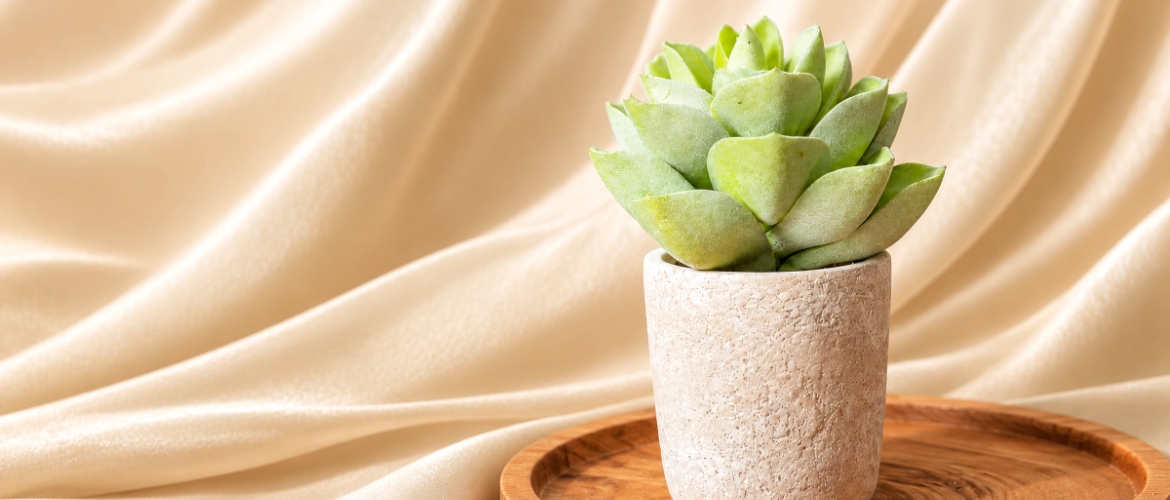
Your home should tell your story, not shout out every chapter at once. Yet decorating enthusiasm can turn a thoughtfully styled room into a crowded collection of vases, frames, candles, sculptures, baskets, and objects competing for attention. The tricky part? You may stop noticing the clutter because every piece earned its place for a reason. Editing decor doesn’t mean stripping away personality. It means giving the pieces you actively love enough space to make an impression. If your rooms have started feeling visually restless, these eight signs can help you decide what stays, what moves, and what deserves a goodbye.
When More Decor Starts Saying Less
Decorative items tend to bring warmth, character, texture, and individuality into a home. Yet they tend to accumulate gradually. You buy a vase because it shape catches your eye. Someone gives you a candleholder. A holiday produces a souvenir. Then another empty surface seems to demand attention.
Individually, every decision feels harmless. Together, they can create visual overload.
The answer is not ruthless removal. It is thoughtful editing. Like polishing a good story, decorating becomes stronger when unnecessary distractions disappear and meaningful elements receive greater emphasis.
Here are eight clues that your decorative collection may be asking for breathing room.
1. Every Surface Is Saying Something
Look around your room. Is there something sitting on every table, shelf, cabinet, windowsill, console, and ledge?
When every available surface carries decoration, the eye has nowhere to pause. Even attractive objects begin competing rather than complementing one another. The result can make a room feel smaller and busier.
Try clearing one surface completely. Live with it for a moment. You may discover that the emptiness creates contrast, making decorated areas nearby appear more intentional.
Then reconsider each surface individually. A coffee table might need a tray, vase, and book rather than seven unrelated accessories. A console could make a stronger impression with one sculptural object and a lamp.
Not every surface needs a decorative assignment. Sometimes an empty table surface is exactly what allows everything around it to breathe.
2. Your Favorite Pieces Are Getting Lost
Imagine owning a striking ceramic vase you really adore, then placing it among six candles, three frames, two bowls, and several tiny ornaments. Functionally, the vase is displayed. Visually, it has disappeared.
This is one clear sign of decorative overload.
Special pieces need enough surrounding space to command attention. When everything is seen like a focal point, nothing truly becomes one.
Identify the objects you would notice immediately if they disappeared tomorrow. Those are your decorating anchors. Give them prominent positions and remove competing pieces from their surroundings.
You can relocate secondary accessories to another room or store them temporarily for future rotation.
Ending is not about deciding which objects are worthy. It is about deciding which pieces deserve the spotlight right now. Let your favorites perform without an entire decorative orchestra playing over them.
3. Cleaning Has Become an Interior Workout
There is a practical side to decorative abundance that becomes obvious the moment dust appears.
If wiping a shelf requires moving fifteen ornaments or cleaning your coffee table feels like dismantling an exhibition, your decor may be creating unnecessary work.
Decorative items should enhance daily living, not complicate it.
Consider grouping smaller objects on trays. This makes arrangements look unified while allowing several pieces to be moved together during cleaning. Better yet, reduce the number occupying frequently used surfaces.
Think about routines. Dining tables need room for meals. Beside tables need space for essentials. Entry consoles often need somewhere for keys, bags, or letters.
A beautifully decorated home still needs to function. When styling consistently gets in the way of everyday activities, editing becomes less about appearance and more about making your rooms really enjoyable to use.
4. Your Eyes Do Not Know Where to Land
Walk into your room and notice where you look first.
Was there an obvious focal point? Or did your attention bounce between patterned cushions, bright artwork, metallic ornaments, colorful vases, stacked books, baskets, and several competing displays.
Visual hierarchy helps a room feel coherent. One or two areas can dominate while surrounding elements provide quieter support.
Choose what deserves attention first. Perhaps it is artwork above the sofa, a sculptural vase on the console, or an arrangement on the coffee table. Then reduce decorative intensity around that feature.
This doesn’t mean everything else needs to become plain. Instead, create different levels of visual importance.
Your eye should enter a room, discover something interesting, and continue exploring naturally. If twelve decorative items seem to waving simultaneously for attention, editing can restore the conversation.
5. Your Collections Have Started Multiplying
Collection can bring wonderful personality to interiors. Three ceramic vessels might create an appealing grouping. Several framed photographs can tell a meaningful story. A selection of candleholders can introduce shape and height.
Then collections begin reproducing.
Three vases become twelve. Frames spread across every surface. Figurines migrate between rooms. What once looked intentional slowly begins resembling storage.
Instead of displaying an entire collection simultaneously, select a smaller group with complementary shapes, colors, sizes. Store remaining pieces and rotate them occasionally.
Rotation has another advantage: familiar objects feel fresh again when they return after several months has passed away.
You can also divide collections strategically across rooms rather than concentrating everything in one area.
Your collection should invite something to look closer, not to make them wonder how many pieces are still coming.
6. Different Styles Are Fighting for Attention
Eclectic decorating can be expressive, layered, and wonderfully personal. Random decorating is something else entirely.
Perhaps your shelves contain rustic wooden objects, glossy modern sculptures, ornate frames, colorful ceramics, woven accessories, and industrial metal pieces. Each might be appealing independently, yet together they can struggle to form a coherent visual language.
You don’t need to commit to one rigid decorating style. Instead, identify connecting elements.
Maybe several pieces share earthy colors. Perhaps curved shapes appear repeatedly. Materials such as wood, ceramic, glass, or metal can create subtle continuity even when individual objects have different influences.
Remove or relocate pieces that feel disconnected from the broader mood.
Think of your decor like guests around a dining table. Everyone can have a different personality, but there should be some reason they were all invited to the same gathering.
7. Seasonal Decor Never Really Leaves
Seasonal decorating can make a home feel playful and responsive to changing moments. Problems arise when each season adds another layer without the previous one properly leaving.
A few festive accessories remain after celebrations. Spring pieces arrive beside them. Summer introduces new colors, and suddenly your shelves are hosting several seasons simultaneously.
Create a simple rotation system. When seasonal items appear, remove an equivalent number of everyday or previous-season decorations. Store them neatly rather than squeezing them into another corner.
Seasonal pieces also make a stronger impression when they are not competing with everything you already own. A distinctive centerpiece, vase arrangement, or ollection of decorative objectsc can establish the mood without covering every surface.
Changing the atmosphere should feel refreshing, not like existing decor simply acquired another layer.
8. You Buy Decor Without Knowing Where It Will Go
You spot a beautiful decorative bowl and immediately want it. There is only one problem: you have absolutely no idea where it belongs.
Buying decorative items without considering placement is an easy route toward clutter. Objects arrive first, purpose gets figured out later.
Before purchasing something new, imagine its exact destination. Which shelf? Which table? What will sit beside it? Does something need to move to make room?
This small pause can dramatically improve your decorating decisions.
It encourages you to choose pieces based on how they contribute to your home rather than how appealing they look alone.
Try thinking in terms of replacement rather than addition. If a new vase enters an already styled room, consider rotating an existing vase out. Your decorative collection can evolve without continually expanding across every available surface.
Let Your Decor Breathe Again
A beautifully decorated home doesn’t need to prove itself through quantity. Character comes from thoughtful choices, meaningful objects, interesting contrasts, and the confidence to leave some spaces quiet.
Editing allows decorative pieces become visible again.
Look around your home and notice what currently commands attention. Decide whether those objects deserve it. Clear crowded surfaces, simplify collections, establish focal points, and rotate pieces instead of continually adding more.
Then notice how the room feels.
The goal is not an empty home. It is a home where everything displayed feels intentional, connected, and worthy of attention.
Because sometimes your decor doesn’t need another beautiful object to make your room feel complete. All it needs is an edit.